
The Cruise Ship, the Killer Virus, and the Breakthrough
When an unfamiliar hantavirus surfaced aboard a cruise ship, there was a problem: no validated way to test specifically for Andes virus existed in the United States. Andes virus — a virus that kills an estimated 30 to 40% of the people it infects — had landed on the radar of the Zoonotic & Vector-Borne Diseases Section (ZVBD), and the clock was already running.
So the team set out to bring an Andes virus assay online in record time. Dr. Susan Hepp laid the groundwork first — digging through the published literature and testing several existing assays against each other until she found the one that performed best, giving her colleague Dr. Joseph Tran and the team a clear starting point to validate. A week of long nights later — completing work that usually takes months — Dr. Tran sent his lab’s directors an email with a single emphatic opening line: “At last, the validation report has been completed.”
He couldn’t resist the little flourish. It was a triumphant moment, and a perfect example of work that usually goes completely unnoticed. Dr. Tran (Research Scientist III) and Dr. Janet Manson (APHL Research Fellow) are researchers at ZVBD, a part of the California Department of Public Health’s Viral and Rickettsial Diseases Laboratory, where they develop and validate the tests, tools, and techniques that help public health officials catch dangerous diseases early. As Dr. Sharon Messenger, who has led the section for nearly 20 years, puts it: “The more successful our work is, the less you know about us.” Add a big outbreak to the mix, though, and suddenly everyone’s watching closely for work that had been quietly underway all along.
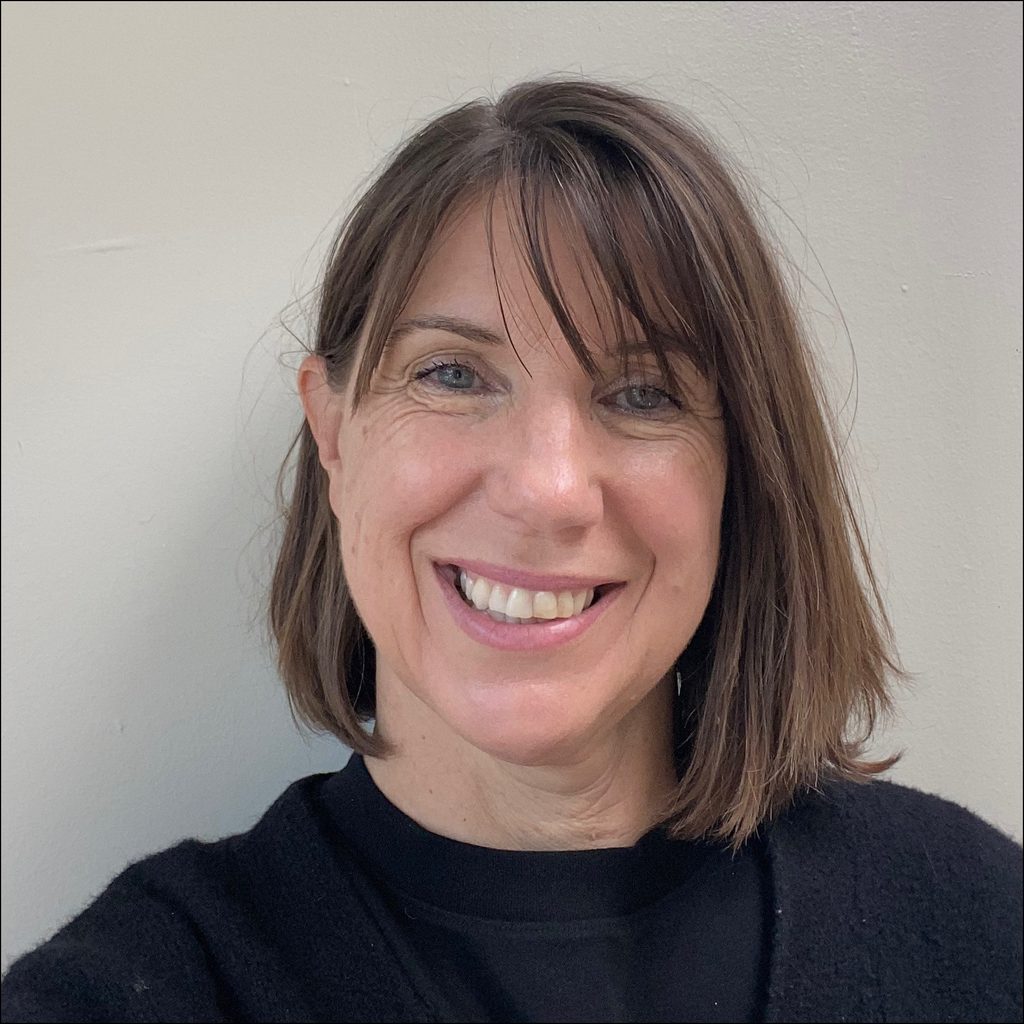
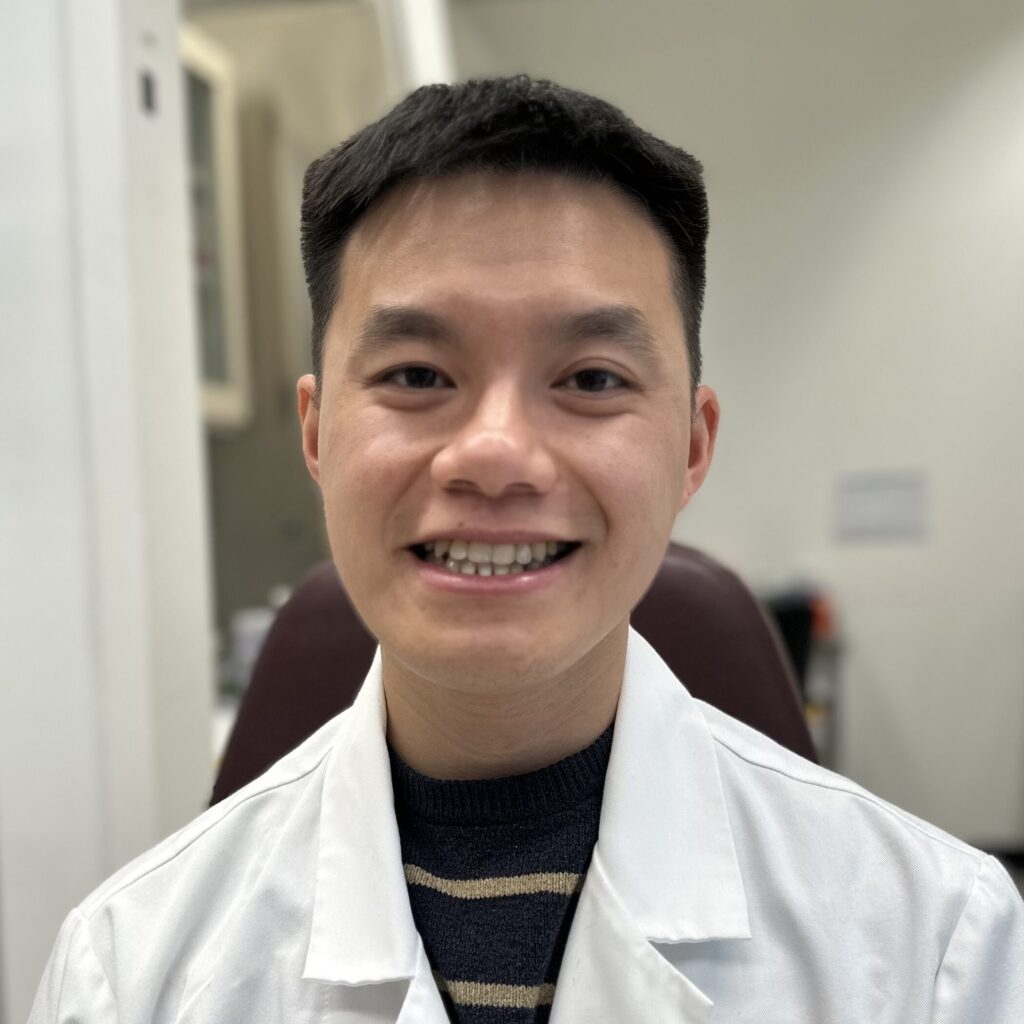
ZVBD serves as California’s reference lab for diseases transmitted by insects and other animals — West Nile virus, hantavirus, rabies, and more. “Our mission is to develop, validate, and implement the best and most accurate diagnostic tests we can, particularly for some of these rare diseases that are not widely seen,” Dr. Messenger says.
Heluna Health has supported ZVBD for 50 years, administering the section’s Epidemiology and Laboratory Capacity (ELC) grants and, in some cases, employing lab staff directly — Dr. Tran among them, who spent his first year at CDPH as a Heluna Health microbiologist before becoming a permanent state employee. “We definitely work with Heluna on a regular basis,” Dr. Messenger says. “We are very grateful for the work that Heluna does to assist with our grant management. It helps us a lot.” This support is what allows scientists like Dr. Manson and Dr. Tran to spend their time where it matters most: in the lab.
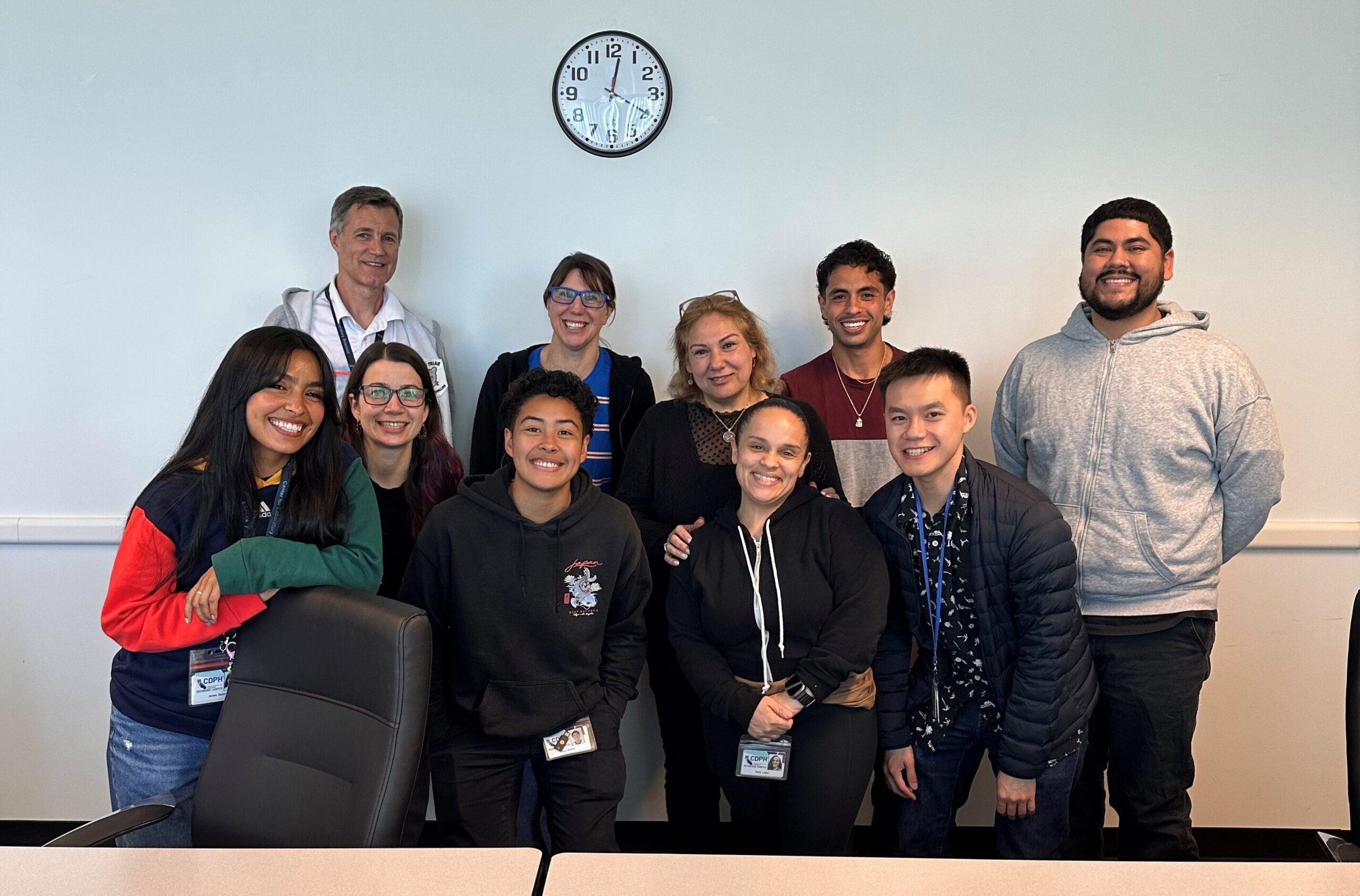
Overseeing that research arm is Dr. Hepp, who directly supervises both Dr. Manson and Dr. Tran. Together with Dr. Messenger, she helps decide where the section’s research energy goes — whether that means bringing on an established assay or building something new when nothing in the literature fits. That mix of oversight and hands-on problem-solving runs through both scientists’ biggest projects.
Dr. Manson’s path to the ZVBDS lab wasn’t a straight line. After a postdoc and a stretch in scientific and medical writing, she went looking for a way back to research — and public health microbiology gave her both a return to the bench and results she could see actually helping people. The project began with Dr. Hepp, whose fellowship proposal opened the door for Dr. Manson to build something the lab needed but didn’t have: a reliable method for whole genome sequencing of hantavirus.
Hantavirus is rare but dangerous, killing an estimated 30 to 40% of the people it infects. Scientists have struggled to reliably map its full genetic code, partly because infected patients often carry only tiny traces of the virus. Dr. Manson’s fix is a new long-range PCR method that reads each of the virus’s three genome segments as one continuous piece, even in low-concentration samples. It’s already made an impact: in one case, she matched the genetic code of a virus from an infected patient to virus from a rodent trapped near their home, pinpointing exactly where they’d been exposed.
Work like this is invisible, until it isn’t. As Dr. Manson puts it, “people only see the impact when something fails in the system.” When surveillance and testing work as they should, an outbreak gets traced and contained quietly, before it ever makes the news — which is exactly why Dr. Manson is now adapting her method to other hantaviruses. She’s already used it to sequence a virus closely related to Andes virus in a patient who had traveled to Paraguay.
Dr. Tran arrived at ZVBD from a different direction. Partway through his PhD, he faced what he calls “an existential crisis” about his career before deciding that government work offered “something deeper and something that had a direct impact on public health.” As a Research Scientist III, his role touches nearly everything the lab does: developing and adopting new diagnostic tools, leading whole genome sequencing for West Nile virus, maintaining the section’s quality assurance documentation, and helping set up microscopes for its training programs.
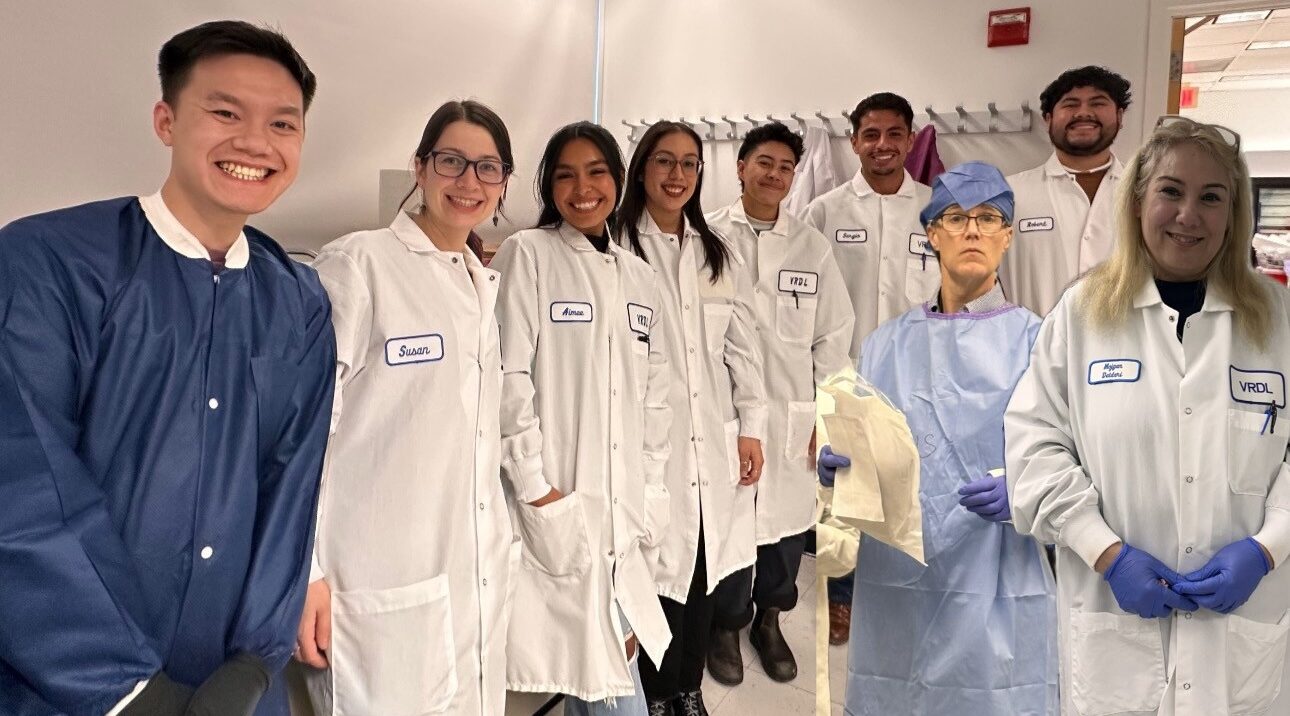
Most recently, Dr. Tran helped lead an effort that could change how labs everywhere test for West Nile virus. The usual test is serology, which is sensitive but not always specific — it can turn up false positives. Polymerase chain reaction (PCR) testing is typically more specific, but for West Nile virus, a PCR run on serum or cerebrospinal fluid (CSF) is not very sensitive at all, catching only about 20% of true infections. While researchers have known for over a decade that testing whole blood significantly increases reliability, commercial and government labs have been slow to adopt it — for more than five years, the lab struggled to get this validated, unable to get submitters to send in this novel sample type.
That changed thanks to Dr. Messenger, whose initial theory that whole blood testing would be worth pursuing gave the effort its direction. Dr. Hepp and the ZVBD team then turned that idea into action, proactively reaching out to submitters to bring those samples into the lab, a persistence that helped move the effort forward. Dr. Hepp initiated the whole blood West Nile virus effort and led it herself for a year, before handing the reins to Dr. Tran, who picked up where she left off — a reminder of how critical having the right team in place is to the lab’s success. Since then, the team has become one of the first public health labs to formally validate and encourage whole blood as the sample type for West Nile virus testing. It’s a shift driven from this California lab, but one that could end up reshaping how West Nile virus is diagnosed anywhere in the world.
As their supervisor, Dr. Hepp knows both scientists well, and says that while their projects differ, the two share the same instinct for problem-solving. “They both really like thinking deeply about a problem and then trying to look in the literature and come up with new solutions,” she says. “And then if nothing is really out there, I think they like the challenge of thinking through and creating something new.” Dr. Manson has tackled the technical puzzle of hantavirus sequencing; Dr. Tran has taken a generalist’s path, touching nearly every project in the research unit. “They’ve both been a great contribution in different ways to the lab.”
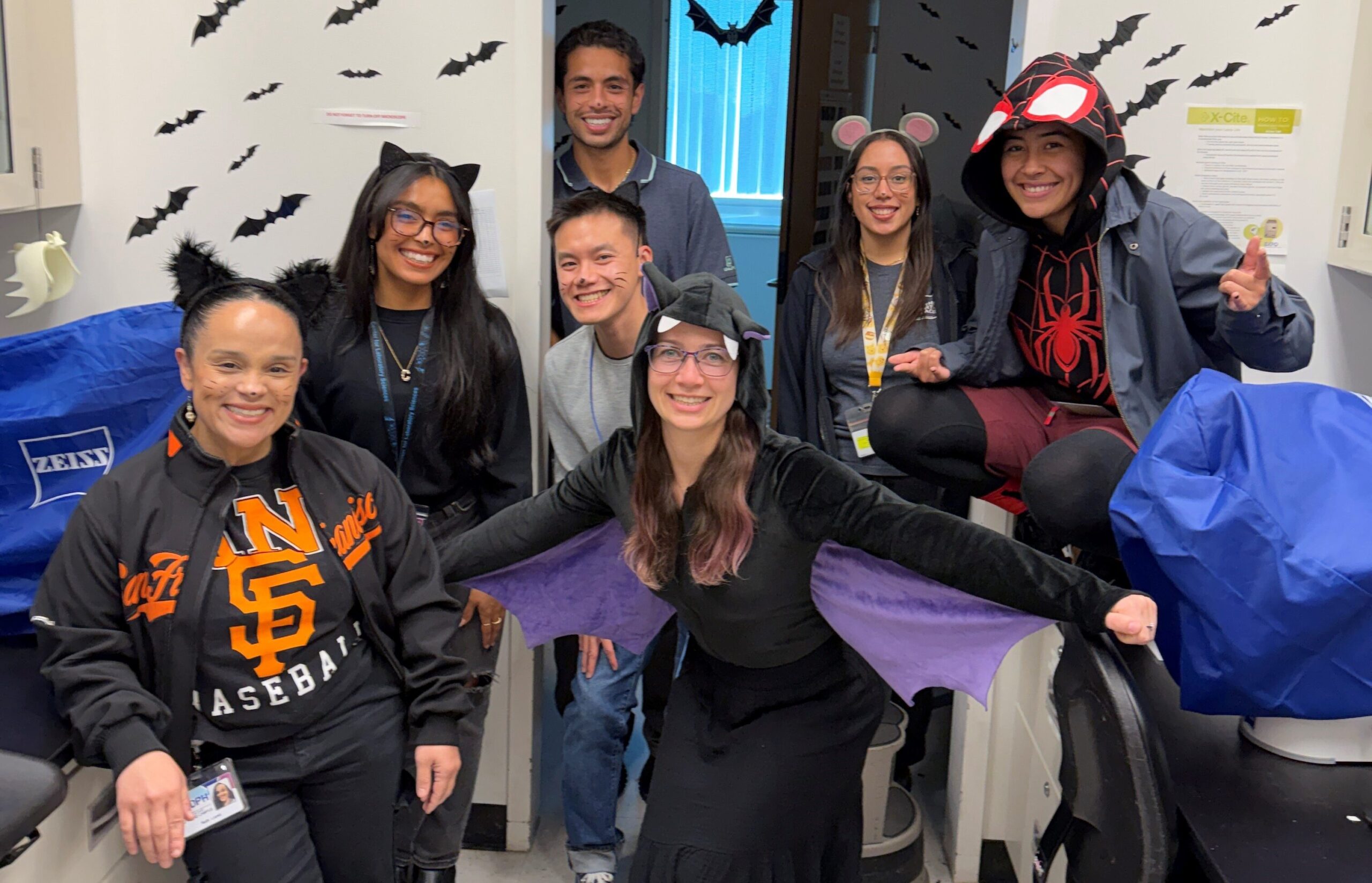
What keeps them motivated, they’ll both say, is less about any single project and more about the people and the constant pull of something new to learn. “There’s always something new kind of thrown at you,” Dr. Manson says. Dr. Tran points to the team itself: “Everybody here is so dedicated to the mission. But in addition to their dedication, they’re also just very wonderful people to work with.” It’s that quiet dedication, more than any single test or discovery, that defines the work happening in this lab — a steady, often unseen effort that keeps all of us safer than we realize.
Click here to learn more about the Zoonotic and Vector Borne Disease Section’s work.